CONFERENCE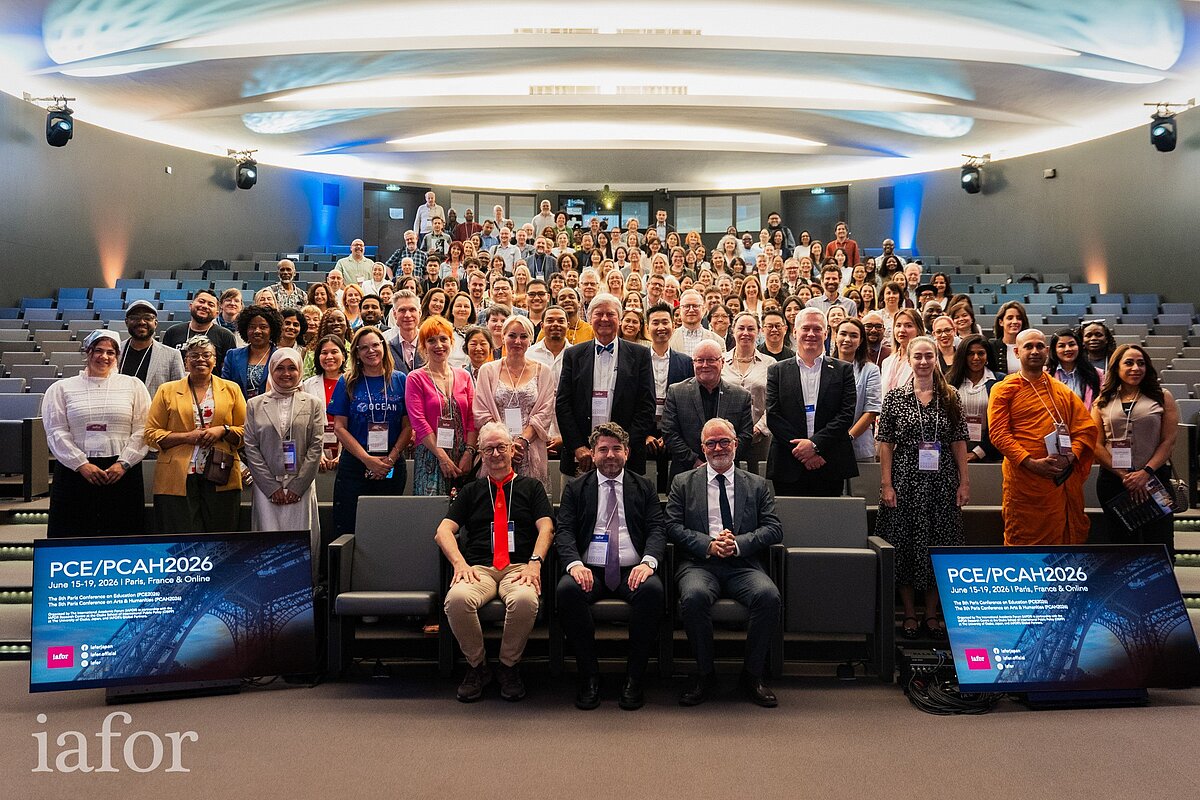
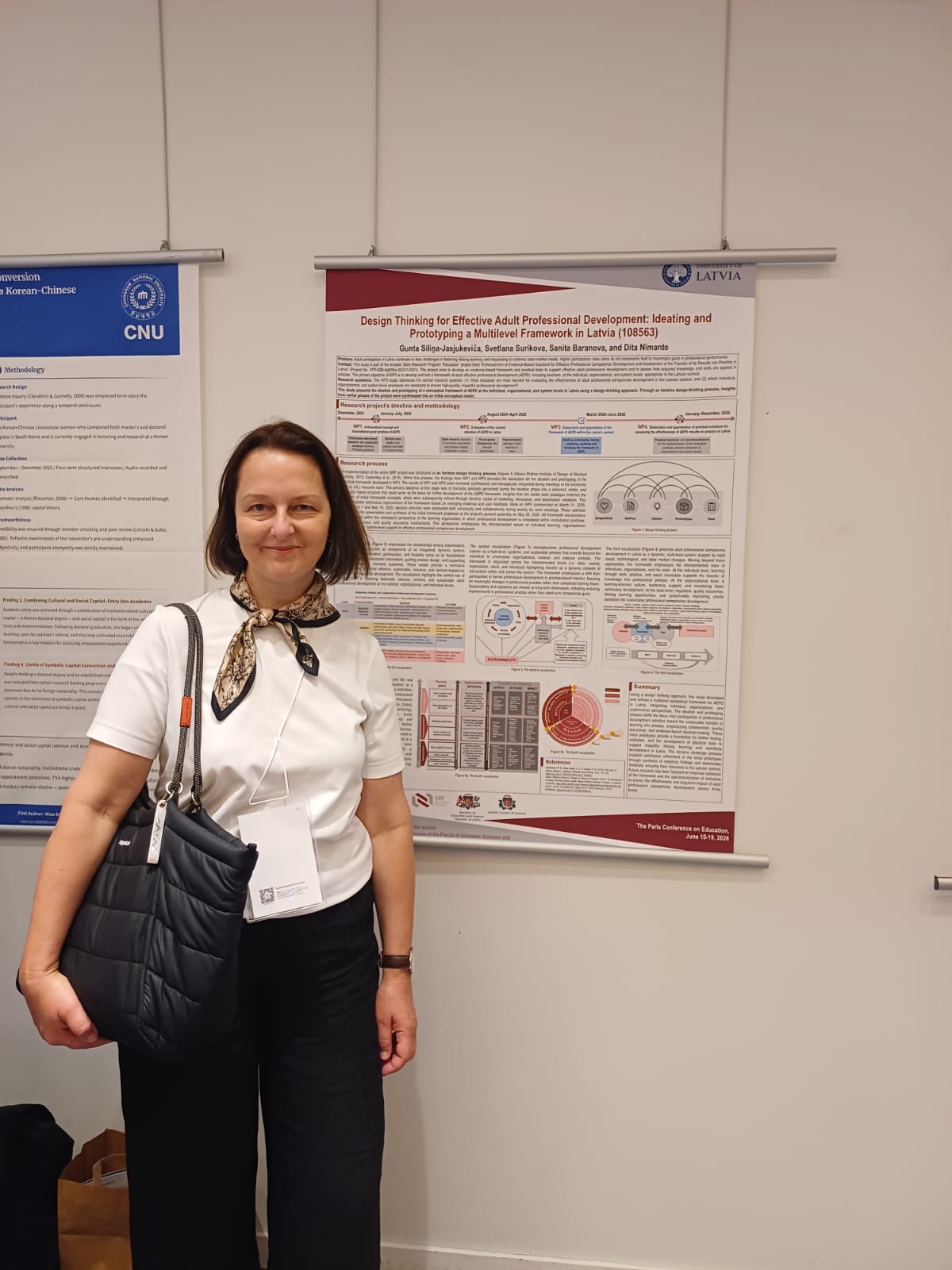
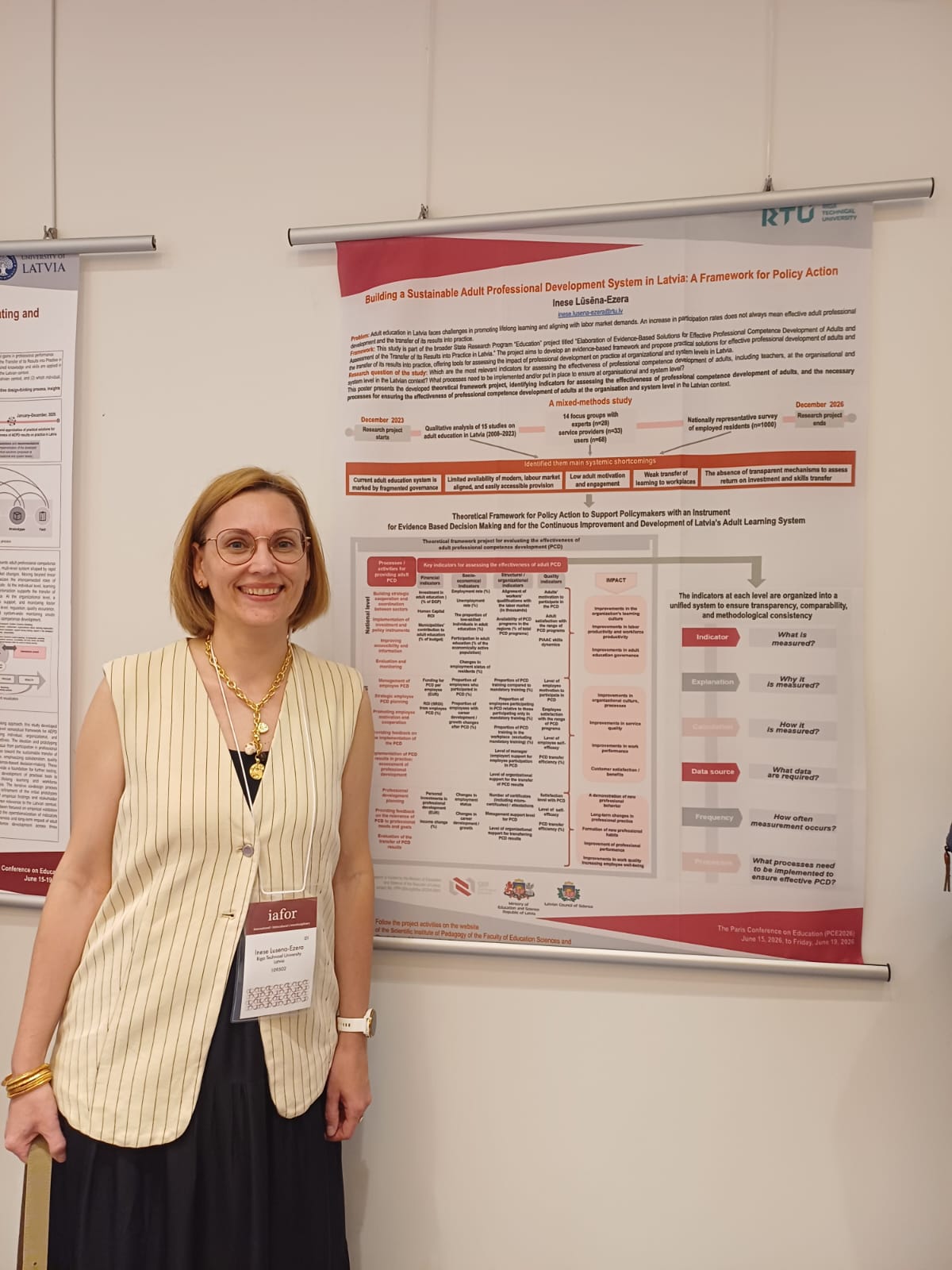
From 15 to 19 June, the 5th Paris Conference on Education (PCE2026) took place at the Sorbonne University in Paris. The conference highlighted the importance of education in the context of global challenges, focusing on topics such as innovation in teaching and learning, digitalisation, inclusive education, educational policy, and intercultural perspectives.
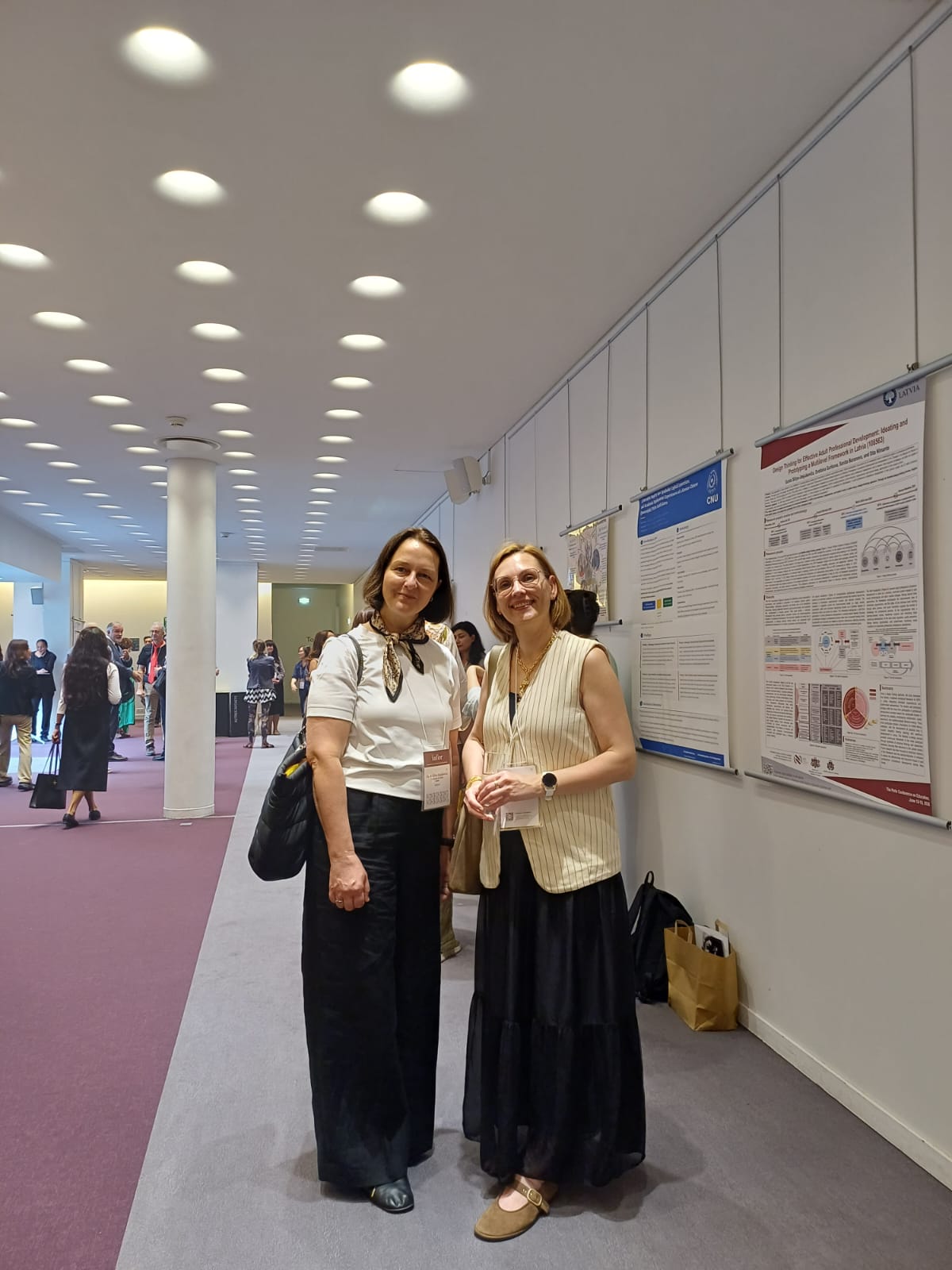
Latvia was represented at the conference by two researchers from the State Research Programme (SRP) “Education” project “Elaboration of evidence-based solutions for effective professional competence development of adults and assessment of the transfer of its results into practice in Latvia” (project No. VPP-IZM-Izglītība-2023/4-0001): associate professor from the Faculty of Education Sciences and Psychology of the University of Latvia and leading researcher from the UL FESP Scientific Institute of Pedagogy Gunta Siliņa-Jasjukeviča, and professor and leading researcher Inese Lūsēna-Ezera from RTU Liepāja Academy.
Associate professor and leading researcher Gunta Siliņa-Jasjukeviča presented a poster entitled “Design thinking for effective adult professional development: Ideating and prototyping a multilevel framework in Latvia”. Drawing on a design thinking approach, the poster outlined the process of developing a framework for adult professional competence development, highlighting the key indicators of effectiveness and the processes that support higher-quality, evidence-based adult professional development and the transfer of learning outcomes into practice.
Professor and leading researcher Inese Lūsēna-Ezera presented a poster entitled “Building a sustainable adult professional development system in Latvia: A framework for policy action”. The presentation introduced a conceptual approach developed in Latvia to strengthen a sustainable system of adult professional development. It presented a framework for evaluating the effectiveness of adult professional competence development at national, organisational, and individual levels, emphasising its importance for evidence-based policymaking, more transparent decision-making, and the improvement of a high-quality lifelong learning system aligned with labour market needs in Latvia.
The PCE2026 conference offered not only academic discussions but also opportunities to build international collaboration networks, fostering innovation and the exchange of knowledge. The conference’s global character and its potential for international cooperation in education were demonstrated by its broad participation, bringing together 483 participants from 78 countries and 365 institutions and organisations.