CONFERENCE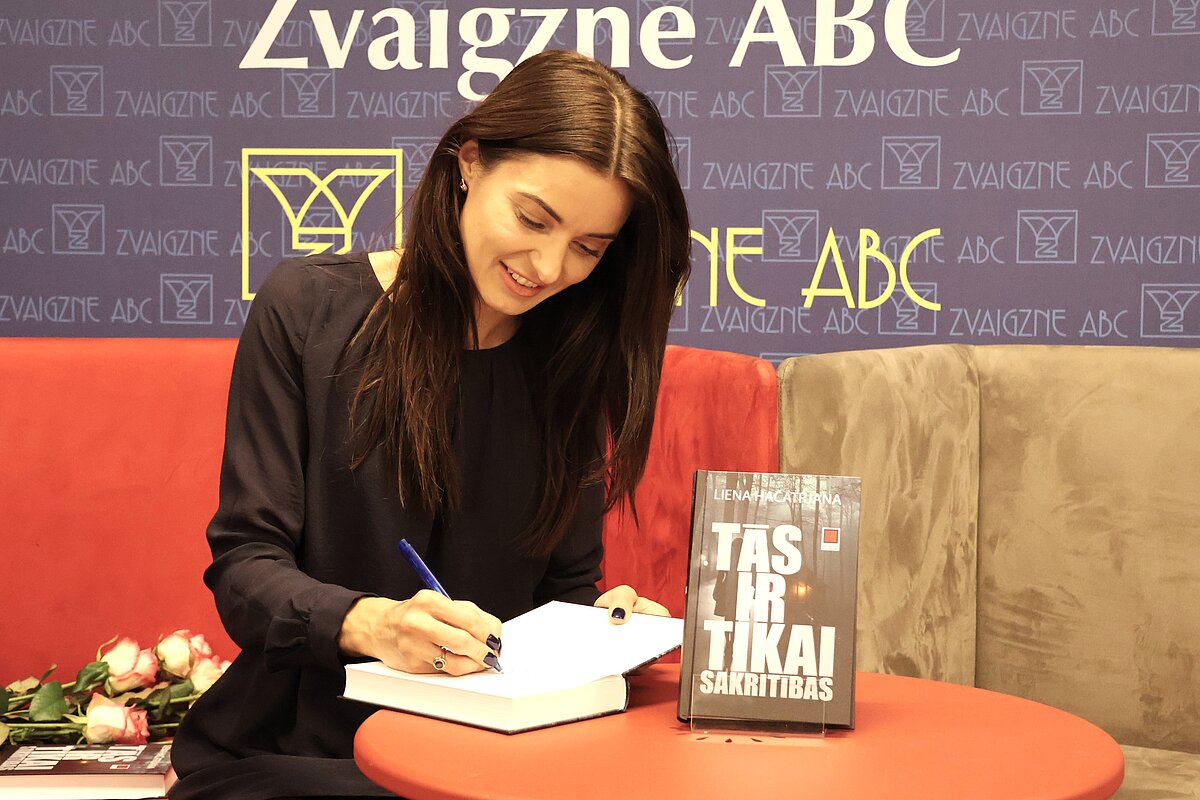
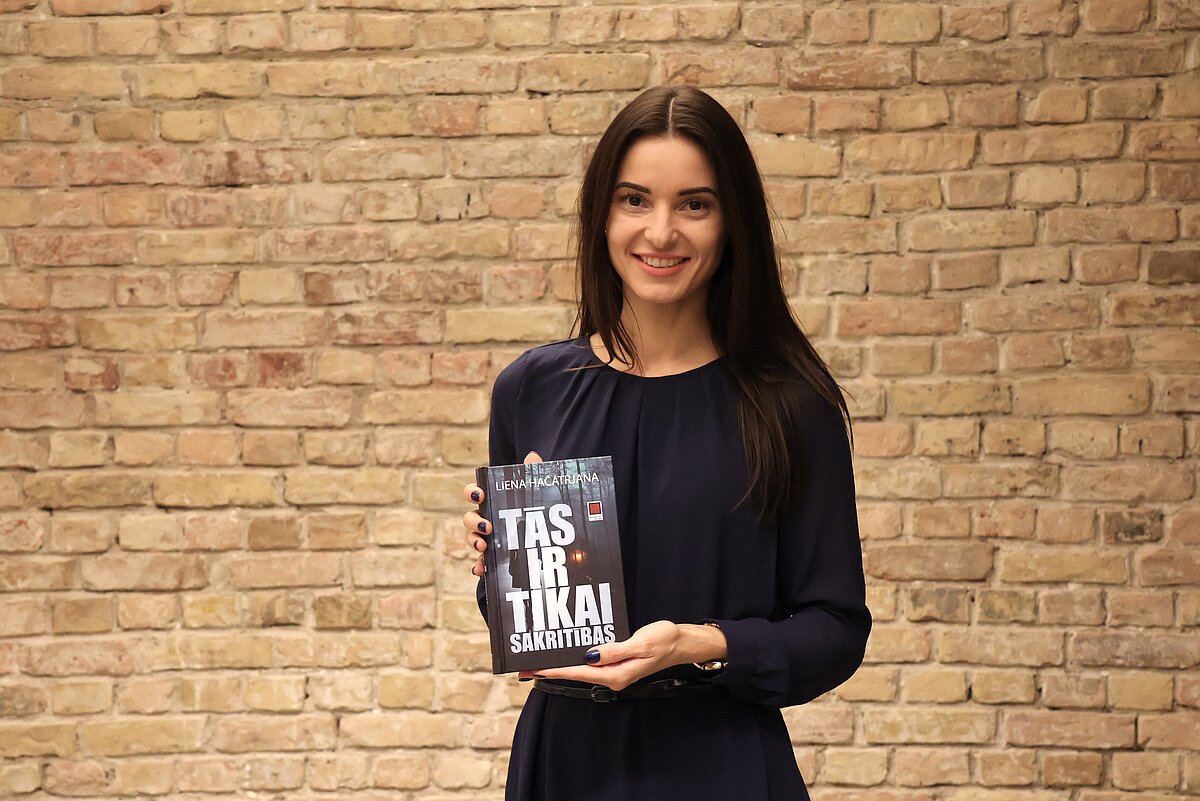
Dr paed. Sanita Baranova and Dr paed. Svetlana Surikova, senior researchers at the Scientific Institute of Pedagogy of the Faculty of Education Sciences and Psychology, University of Latvia (UL FESP SIP) are involved in implementing the ERASMUS+ KA2 Strategic Partnership project “REMAP: Reading for Meaning and Purpose”. As part of the REMAP project, an interview is being conducted with Liena Hačatrjana, a leading researcher at the UL FESP, on academic and leisure reading.
Please briefly describe your background.
I am a Doctor of Psychology and I am Leading researcher at the University of Latvia, Faculty of Educational Sciences and Psychology. I currently lead courses for students in Educational Psychology and Cognitive Psychology. However, the bulk of my work is related to research. One direction is related to the study of students' general skills, such as problem-solving and reasoning skills. The other major direction is the adaptation and implementation of intelligence and development tests for children and young people in Latvia - this is a large project that I am currently leading together with a colleague of mine.
What does reading mean to you?
Reading is a central part of my daily work. To fulfil any of my work duties, I read and write, as well as think a lot. However, the reading material I read during the workday and what I read in the evening, for relaxation, differs. In the evening, I choose fiction, except for the moments when workload also requires me to read some scientific literature in the evening.
Which book has made an impact on your life? Why? How? Would you recommend this book to students – and if not, would you recommend a different one?
I don't think there's one particular book that has left a very lasting impression on my entire life. Rather, each book makes me think about something in the short term, in the time frame I'm reading it.
Has going to university or becoming a university professor changed how you read? Is reading for pleasure the same as reading for disciplinary purposes?
When I read for work, I read non-fiction in a very focused, structured way, often selecting and reading the content I need specifically at that moment. But reading for pleasure is more about slowly getting into the story and the mood of the book. And there's no room for rush in this kind of reading.
Match favourite reading moments, referring to a place or a situation. Examples: coffee and reading, beach and reading, reading and my favourite sofa, reading after dinner…
I like to read while lying in bed. In the summer I also read outside, while sunbathing on the terrace.
Have any authors inspired your writing? What reading experiences have been particularly meaningful to you in this context?
I like a lot of different authors. From the classics, it's Agatha Christie - definitely because detective is my favourite genre. And detective is also the genre of my own written book “Those are just coincidences”. From Latvian authors, it's Anšlavs Eglītis that I like, but I find the works of Regīna Ezera as also very strong.
How has your experience as a book author influenced your view of reading – do you read differently since you started writing books? Has writing changed your relationship with reading?
I try to read each book by going with the flow of the story, rather than analysing and evaluating it from a writing perspective. However, I catch myself sometimes wondering, "I wonder how the author will solve one or another of the story's threads? Will the ending be good? Will the author give us the whole solution or will he leave something untold at the end?"